
CSEL SCIENCE
MIDDLE SCHOOL INTEGRATED SCIENCE
Access to Curriculum
Module 1
Environmental Impact
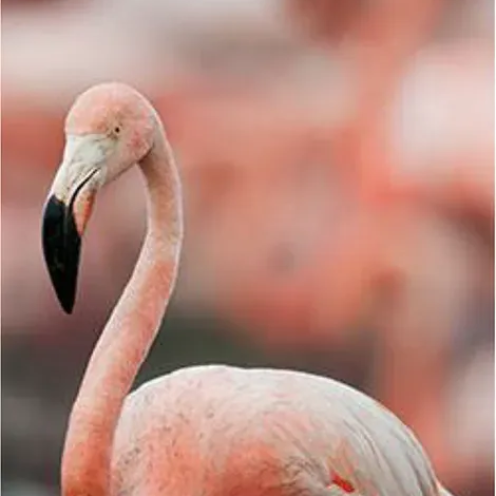
The Great Rift Valley in east Africa is home to many saltwater lakes and also the famously pink Lesser Flamingo. But there is now only one lake, Lake Natron in Tanzania, that is a suitable breeding ground for this species.
In this module, students explore the difficult choices communities face as they decide whether to build a factory at Lake Natron. A similar factory was built years ago at nearby Lake Magadi in Kenya and students learn about the effect it had on the flamingos at that salt lake.
This module consists of seven sessions intended to develop students’ knowledge about how different environments support a variety of organisms and how biodiversity contributes to the sustainability of an ecosystem.
Module 2
Populations in Balance
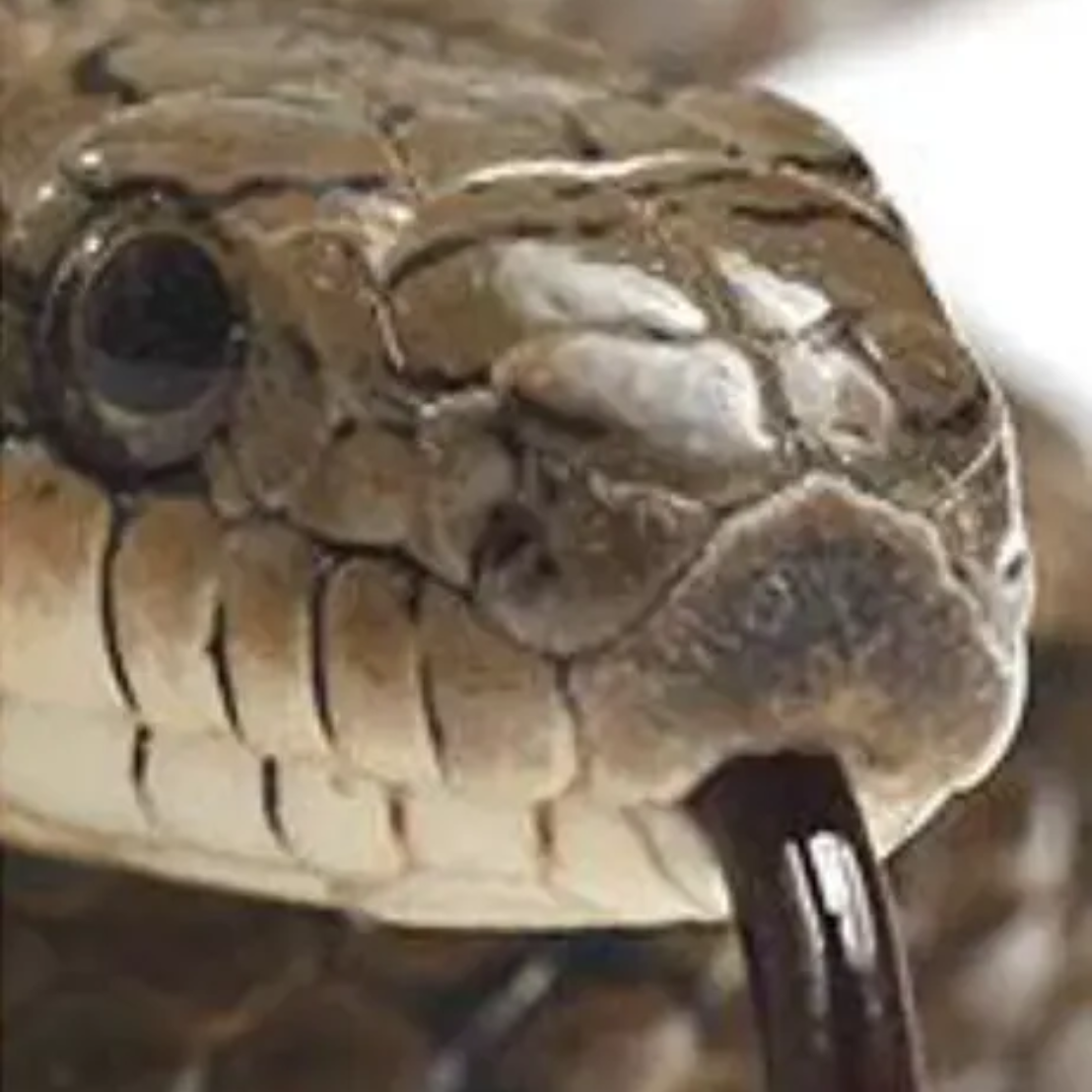
This module introduces students to ecological disturbances through the real-world occurrence of invasive brown tree snakes in Guam.
Students learn that some disturbances are natural, and others are caused by human actions. Following a disturbance, there is usually a recovery. These recoveries can occur with or without human action. Students see how human intervention in some problems can cause unintended consequences.
Students explore how energy flows through an ecosystem, using models like food chains, food webs, and energy pyramids. Students apply their knowledge by constructing a food web using the Chesapeake Bay as a case study. Then, students link this learning to the invasive tree snakes in Guam by investigating how other species are impacted.

Module 3
Kinetic and Potential Energy
In this module, students dive into the world of energy to solve a real-world problem. In the opening science scene, a group of friends eagerly anticipates a ride on a thrilling new roller coaster, only to discover that it’s closed because it doesn’t work. To figure out how to fix the roller coaster, students explore the concepts of potential energy and kinetic energy.
Through hands-on activities, videos, and problem-solving challenges, students investigate how energy is transformed, transferred, and impacted by factors like mass and height.
By the end of the module, students use their newfound understanding of energy to propose solutions for getting the roller coaster back on track. This unit emphasizes critical thinking, collaboration, and the application of scientific principles to real-life scenarios.
Module 4
Thermal Energy
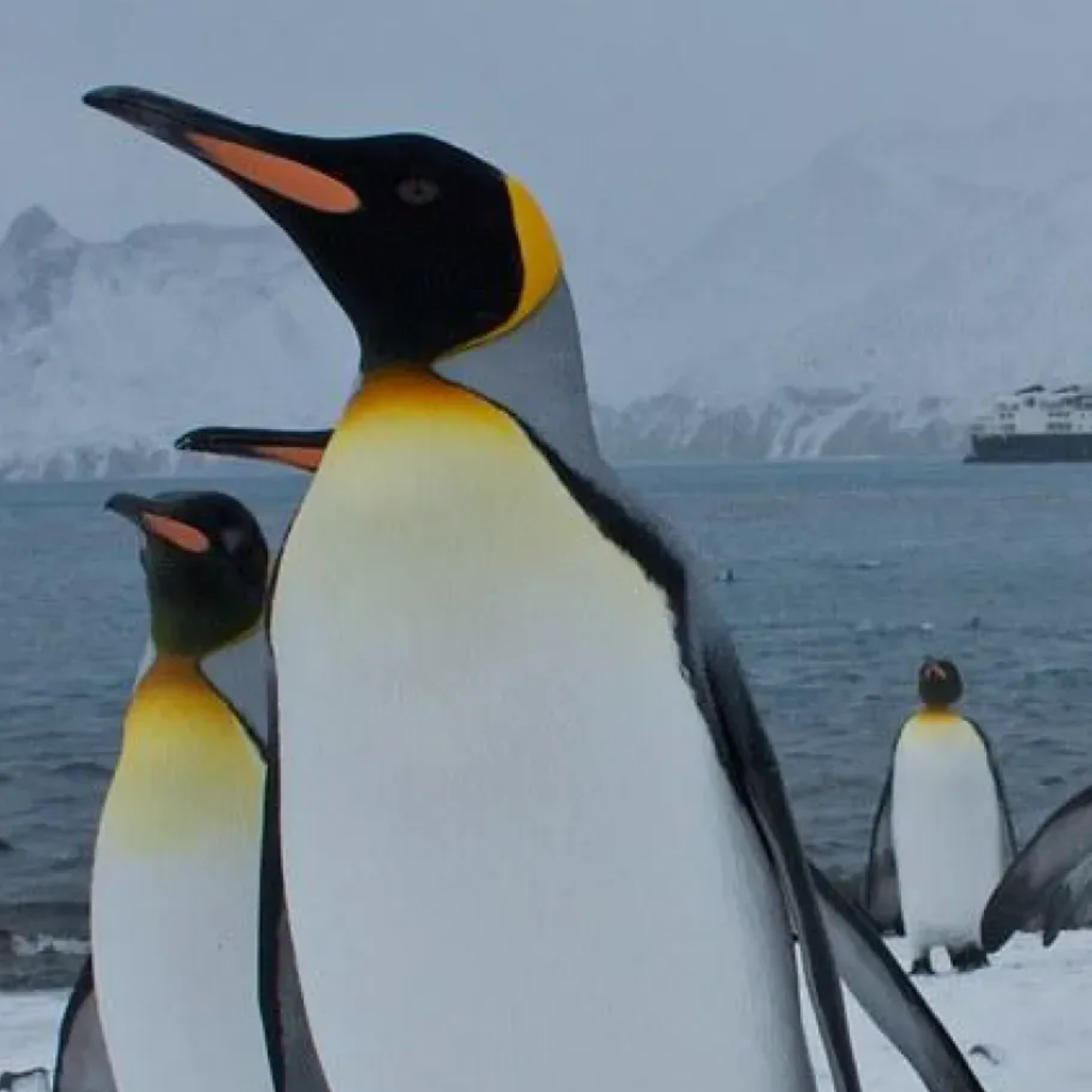
In this module, students explore the impact of rising temperatures on penguin habitats in the southern hemisphere. The overarching phenomenon highlights how climate change is causing habitat loss for penguins, sparking a need for innovative solutions.
To address this challenge, students investigate the transfer of thermal energy, including how materials act as insulators and conductors. Students learn how heat transfer works and how to control it effectively. Using their knowledge, students apply their learning to a design challenge. Students are tasked with designing a shelter that protects a penguin (ice cube) from rising temperatures.
This module emphasizes scientific problem-solving, creativity, and real-world application to help students understand the role of thermal energy in addressing global environmental issues.