
CSEL SCIENCE
HIGH SCHOOL BIOLOGY
Access to Curriculum
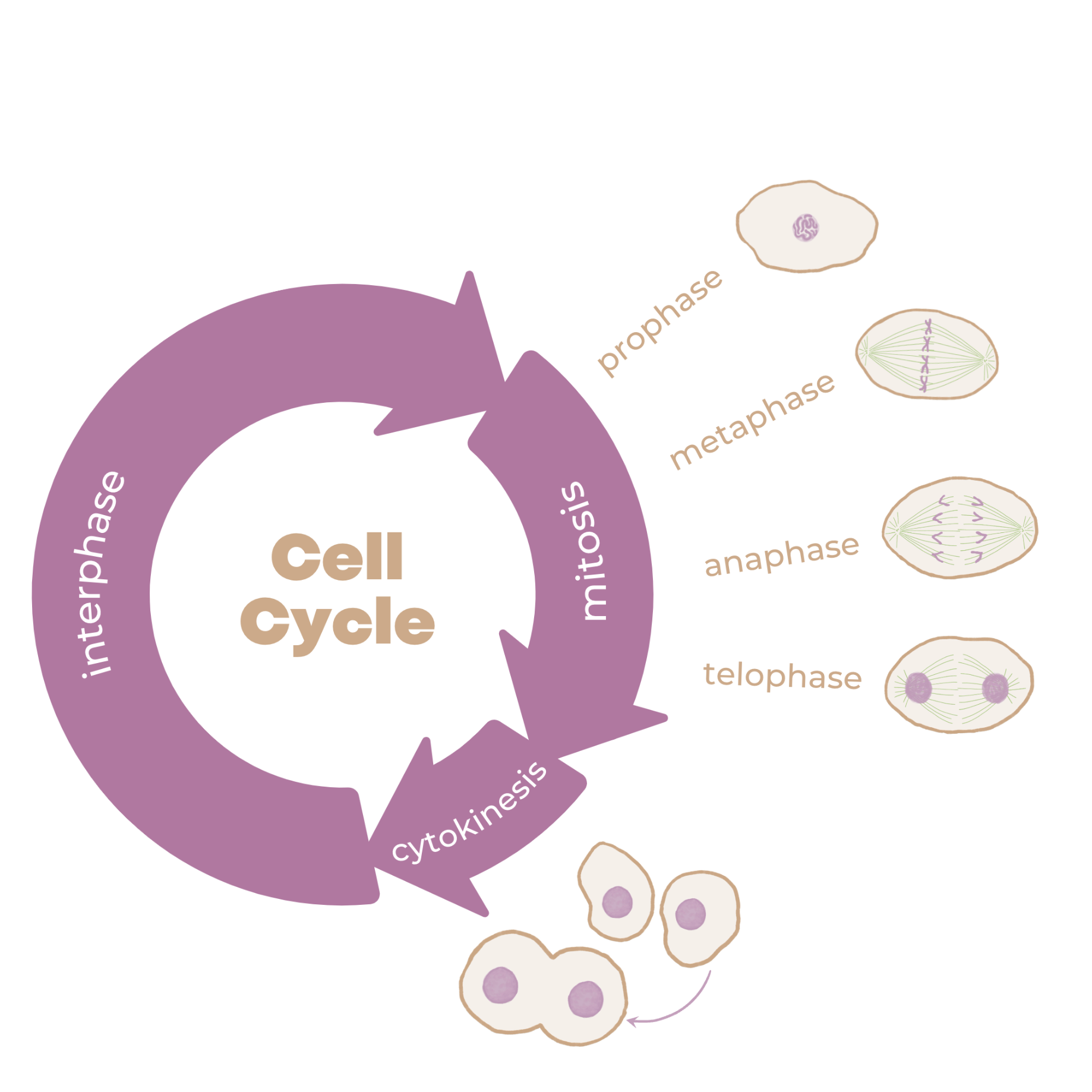
Module 1
Cell Cycle and Regulation
In this module, students explore how cells divide and how that process is controlled. Students classify cells into stages of mitosis using microscope images, build and explain a model of mitosis and cytokinesis, and analyze how checkpoints regulate division. The module concludes with a case study on colorectal cancer that connects cell-cycle dysregulation to real-world health outcomes. Students will learn that regulated cell division enables growth and repair, while loss of regulation can lead to disease.
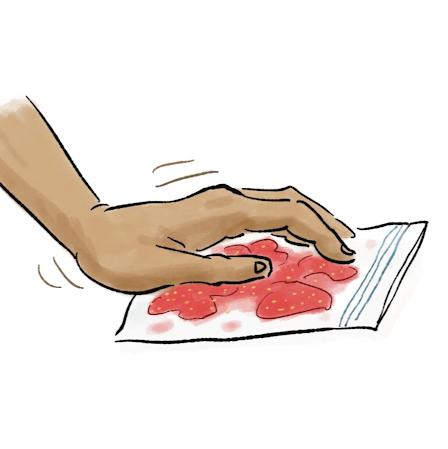
Module 2
DNA Structure and Replication
In this module, students explore how DNA’s structure enables it to carry genetic information and copy itself before cell division. Students use a digital interactive to investigate the molecular structure of DNA, then build and replicate a paper model to visualize base-pairing rules and the semi-conservative process of DNA replication. The module emphasizes the relationship between molecular structure and function, showing how the shape and pairing rules of DNA make accurate replication possible. Students will learn that accurate DNA replication is essential for passing genetic information from one cell to the next.
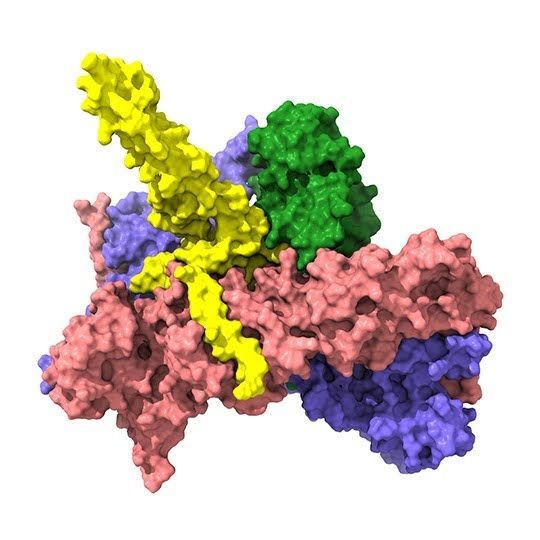
Module 3
Protein Synthesis
In this module, students explore how DNA’s genetic code is used to build proteins that carry out many functions in living organisms. Through guided modeling and a hands-on relay race, students simulate the two key stages of protein synthesis: transcription and translation. Students use codon charts to decode mRNA sequences, determine amino acid chains, and connect sequence order to protein structure and function. Students will learn that genetic information flows from DNA to RNA to protein, and that accurate protein synthesis is essential for growth, repair, and other life processes.
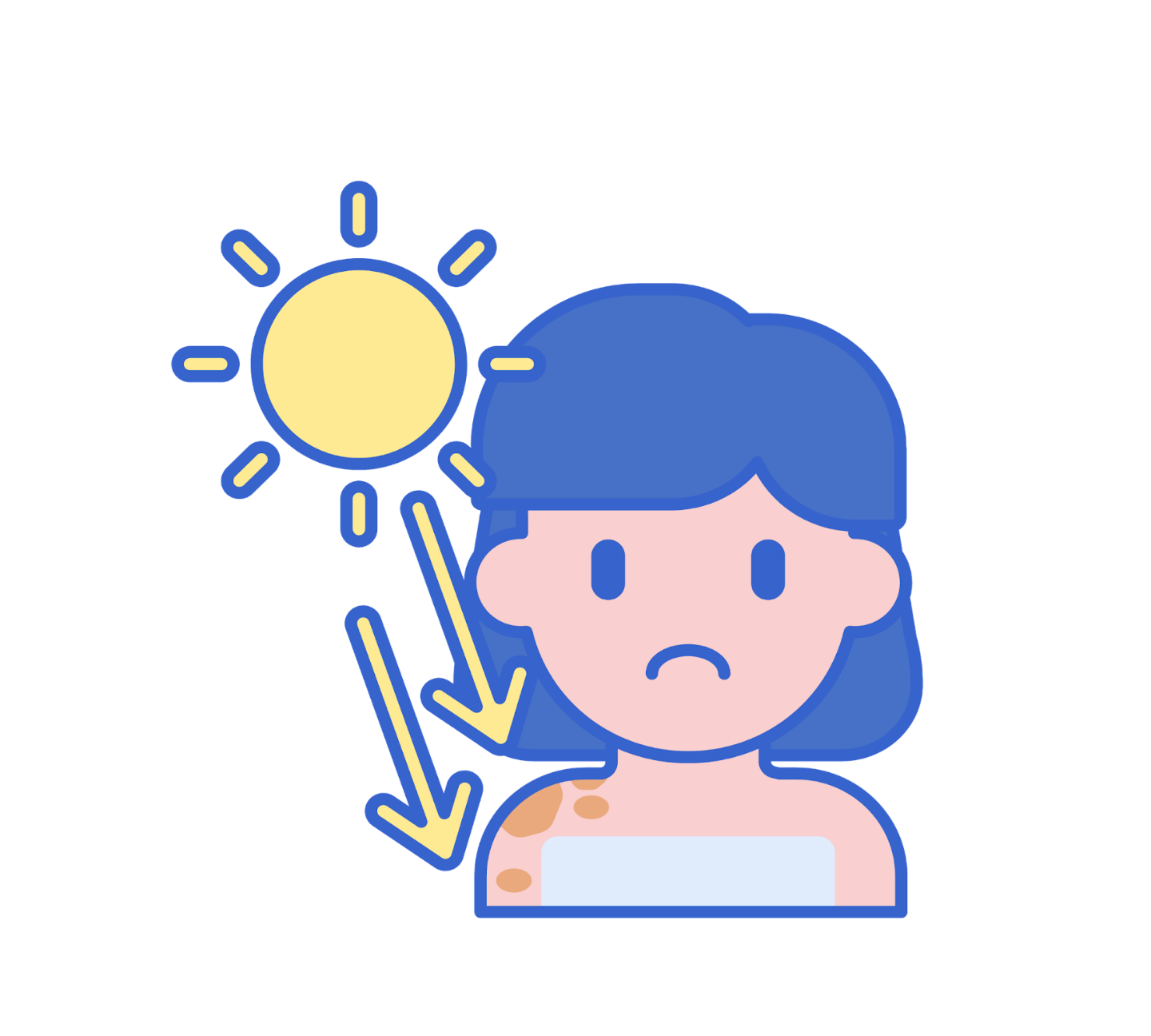
Module 4
Mutations and Their Impacts
In this module, students explore how mutations can affect proteins and traits. Students examine random, inherited, and environmental causes of mutations, focusing on substitution mutations and frameshift mutations caused by insertions and deletions. Students transcribe, translate, and mutate a DNA sequence to create and compare “mutant chickens,” visualizing how DNA changes can produce diffrences in traits. The module concludes with a medical case study in which students take the role of doctors, analyzing CFTR gene sequences to diagnose patients with cystic fibrosis. Students will learn that mutations can be positive, negative, or neutral and play an important role in genetic variation.
Module 5
Meiosis and Genetic Variation
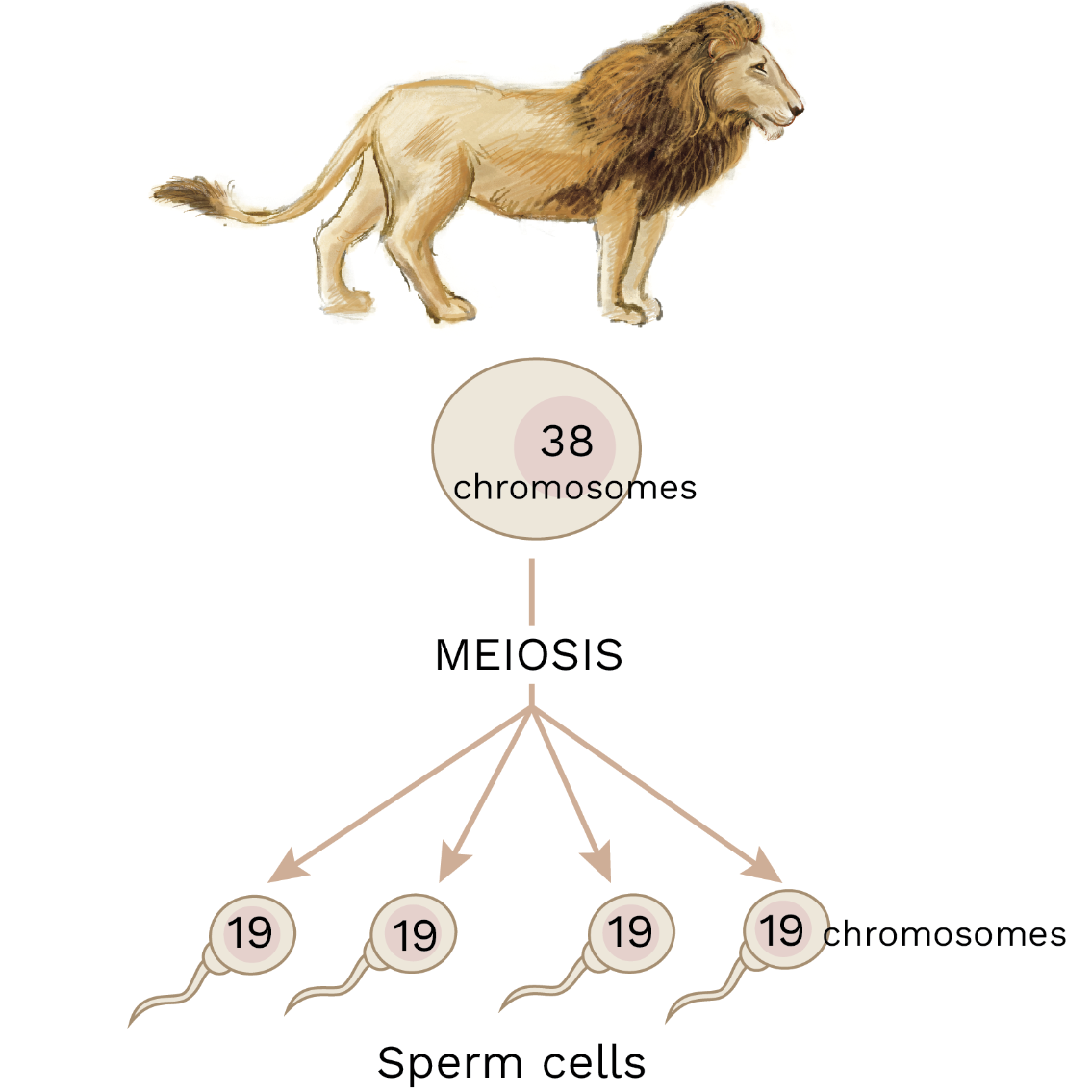
In this module, students explore how meiosis, fertilization, and crossing over contribute to genetic variation in sexually reproducing organisms. Students compare mitosis and meiosis, model the stages of meiosis with pipe cleaners and string, and examine how diploid reproductive cells produce haploid gametes. Students investigate fertilization using mosquito chromosomes and a genetic counselor lab to show how egg and sperm cells combine to form a diploid zygote. The module concludes with an investigation of crossing over, showing how chromosomes exchange genetic material to create new combinations. Students will learn that meiosis and fertilization pass chromosomes from parents to offpring, while crossing over increases genetic variation.
Module 6
Mendelian Genetics and Probability
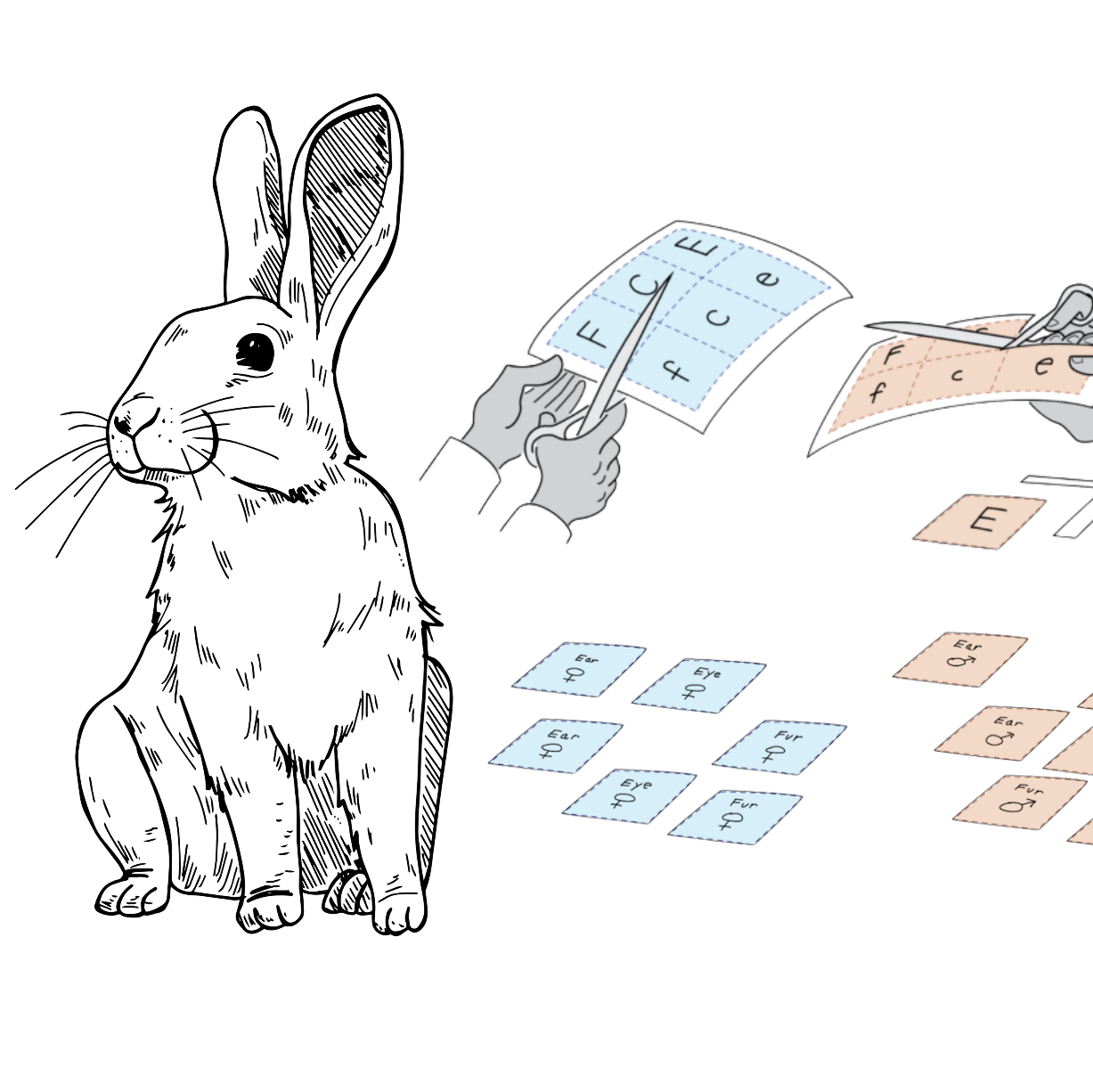
In this module, students explore how traits are passed from parents to offpring and how inheritance patterns can be used to predict possible outcomes. Students begin by building rabbits with randomly selected maternal and paternal trait tiles, then compare the traits that appear across the class. Students learn how alleles, dominance, genotypes, and phenotypes explain patterns of inheritance and use Punnett squares to model possible offpring traits. Students will learn that offpring inherit alleles from both parents, and that probability can be used to predict possible genotypes and phenotypes, but not guarantee the traits of any individual offpring. An optional mini-lesson on dihybrid crosses allows teachers to deepen or diffrentiate instruction based on district needs.
Module 7
Patterns of Inheritance: Applications
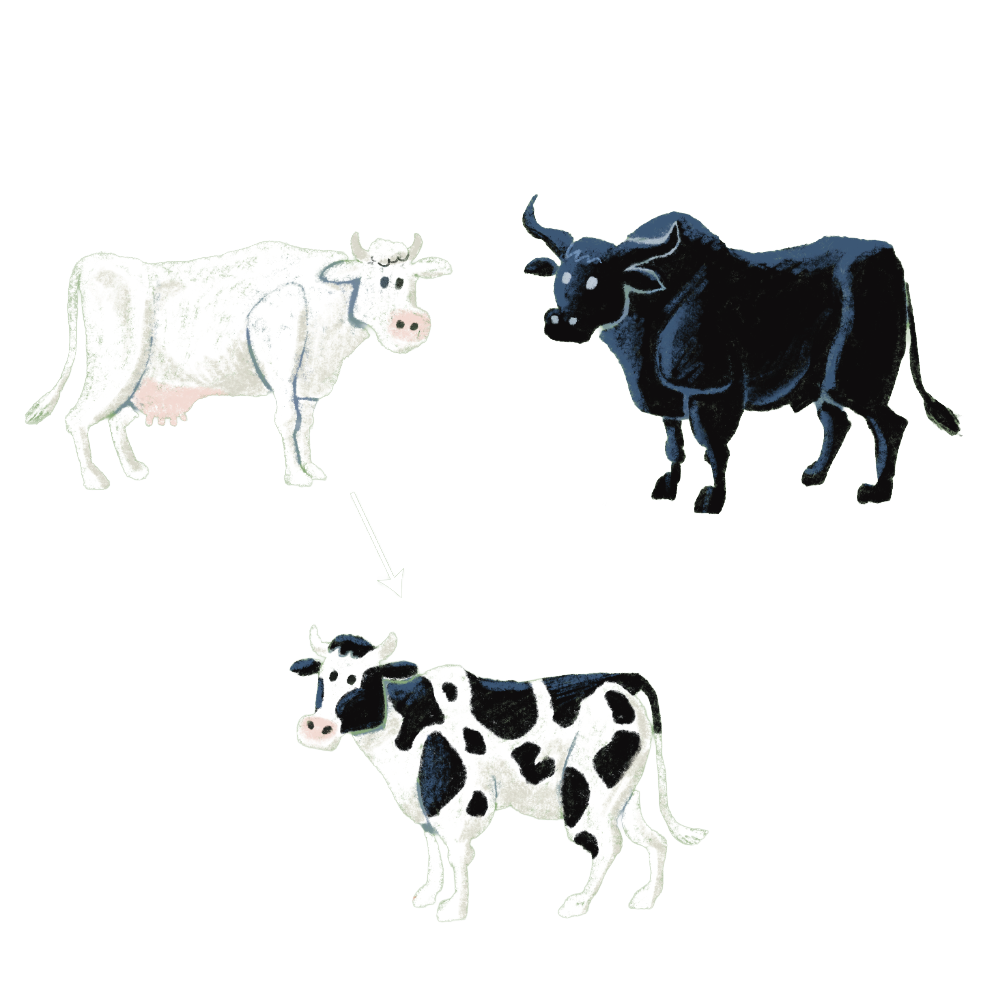
In this module, students explore inheritance patterns that extend beyond simple Mendelian dominance. Students use Punnett squares to analyze sex-linked traits, incomplete dominance, and codominance, then read and build pedigree charts to track traits through families. The module concludes with Sonia’s Story, a sickle cell inheritance case study in which students connect red blood cell phenotypes, genotypes, family pedigrees, and inheritance probabilities. Students will learn that different inheritance patterns affct how traits appear in offpring, and that models like Punnett squares and pedigrees can help explain and predict genetic outcomes. An optional mini-lesson on multiple alleles (blood types) allows teachers to deepen or diffrentiate instruction based on district needs.